

.png)
The side hustle trap: when hustle culture burns young people out
There is a new question sitting behind almost everything young people do: “what are you building?” Ambition isn't the problem. The expectation to be productive every waking hour is.

There was a time when being a teenager meant worrying about school, hanging out with friends, playing sports, discovering music and slowly figuring out who you were. Today, that can feel strangely incomplete.
There is a new question sitting behind almost everything young people do: “What are you building?”
Maybe it's a YouTube channel. A startup. An Instagram page. A coding project. A freelance career. A personal brand. A certificate. A side hustle. The message is everywhere: start early, work harder, and get ahead before everyone else does.
Ambition isn't the problem. The problem begins when ambition turns into an expectation to be productive every waking hour.
That's where hustle culture becomes a trap.
It didn't start with COVID
Hustle culture wasn't created by the pandemic. Entrepreneurial and productivity content had already been growing online for years. But COVID accelerated the environment in which it could thrive.
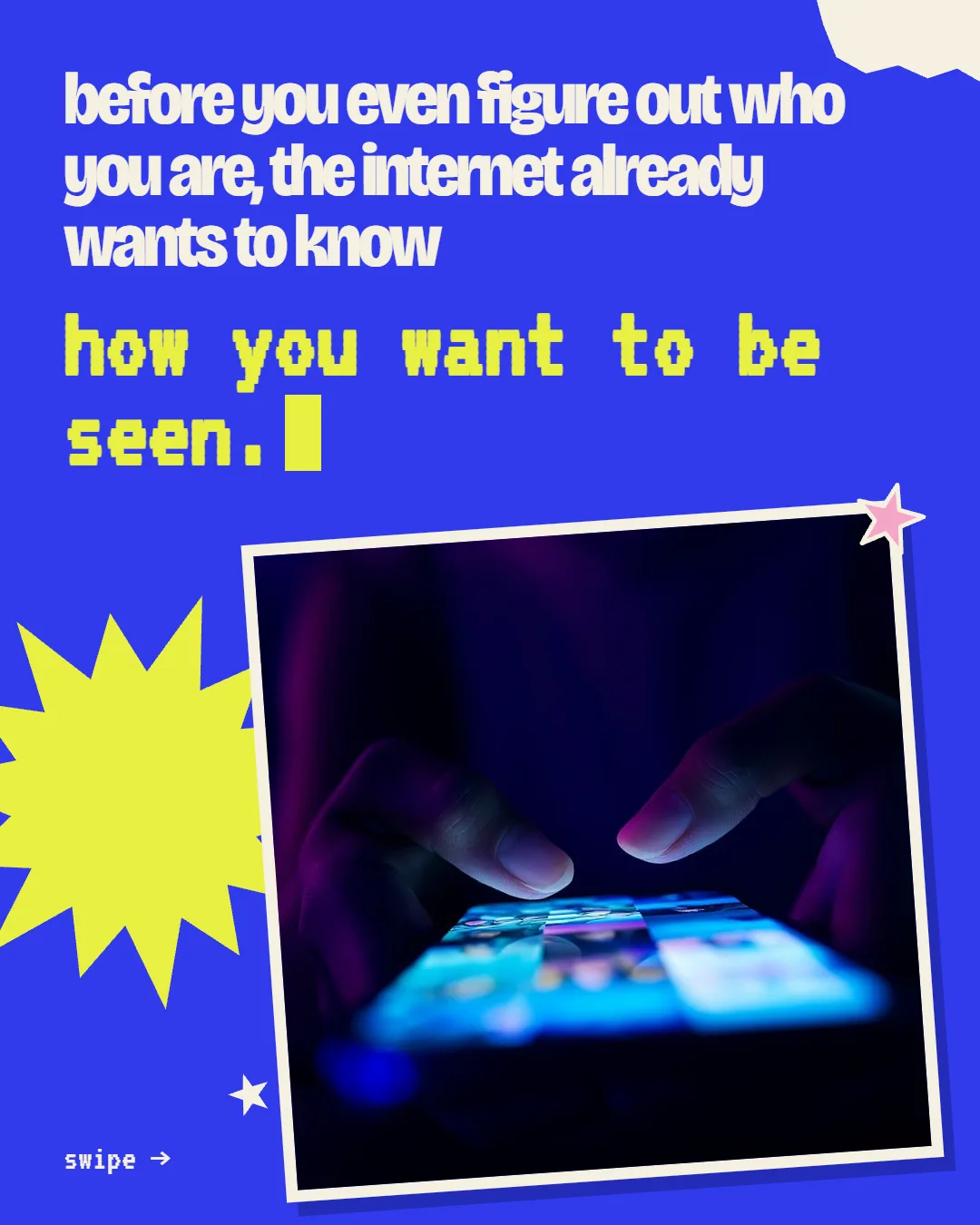
Lockdowns pushed education, entertainment and social interaction onto screens. Even after schools reopened, the internet remained deeply embedded in young people's lives. In 2023, UNESCO estimated that 79% of the world's 15–24-year-olds were internet users.
And the internet doesn't only show young people entertainment. It shows them other people's achievements.
A teenager in India can watch a student in the United States building a startup. A student in Europe can watch someone in South Korea preparing for university. Someone in Brazil can watch a creator explaining how they supposedly became financially successful before turning 18. The world became more connected. So did the competition.
The teenager who is never doing enough
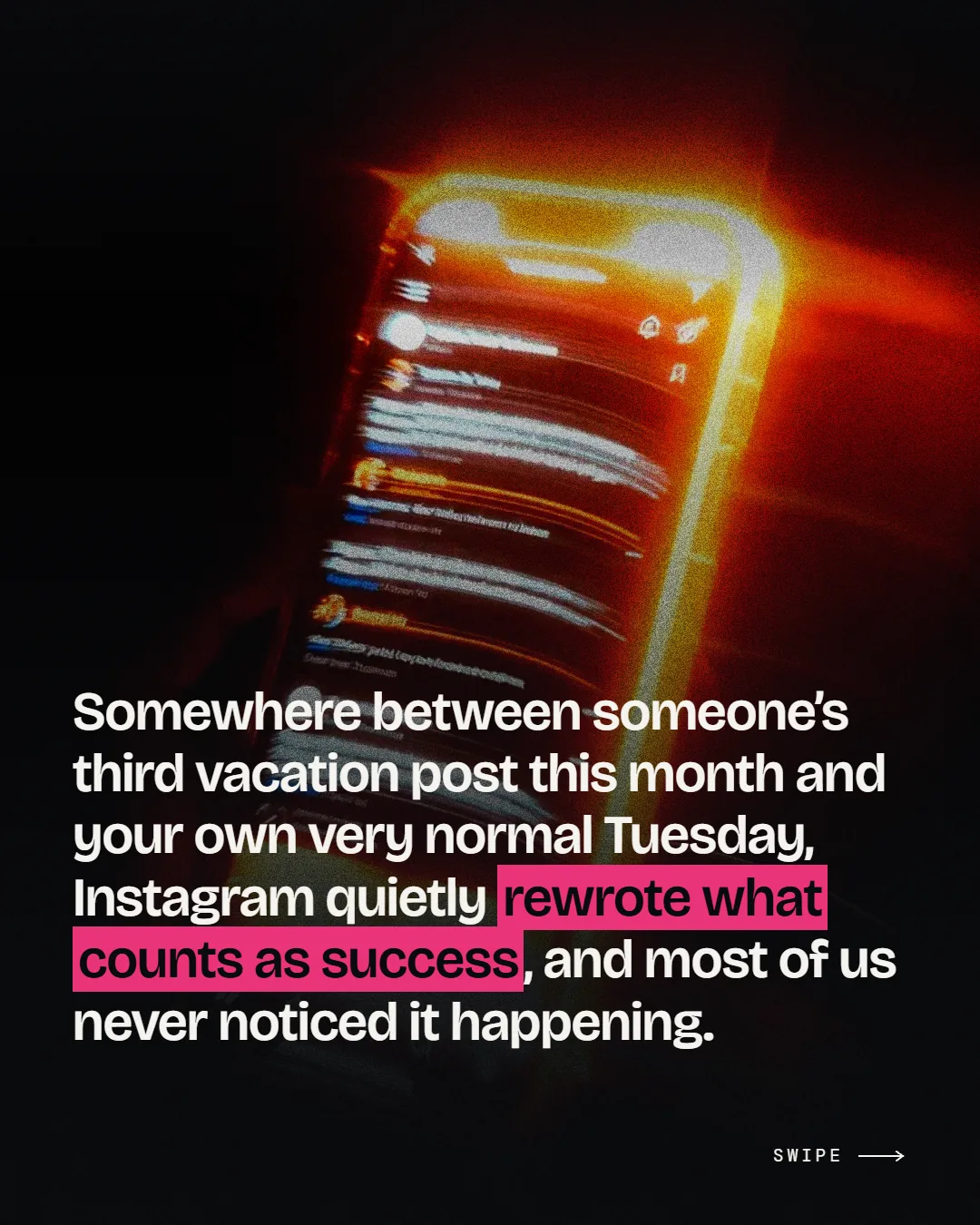
Open social media and you can easily find someone your age who seems to have everything figured out. Someone is building an app. Someone got an internship. Someone is making money online. Someone has already started preparing for university. Someone wakes up at 5 a.m., exercises, studies for hours, reads constantly and somehow still has time to run a business.
Eventually, normal life starts looking like failure. You studied for three hours, but someone studied for six. You have one extracurricular activity, but someone has five. You have a hobby, but someone else has turned theirs into a business.
The problem isn't necessarily that these people are doing something wrong. The problem is that social media turns exceptional stories into everyday content. We see the seventeen-year-old entrepreneur, not the millions of teenagers who are simply trying to get through school.
When hobbies become businesses
Perhaps the clearest example of hustle culture is what has happened to hobbies. Writing isn't always just writing anymore — it can become a newsletter. Drawing can become an art account. Gaming can become content. Coding can become a startup. Photography can become a business.
There's nothing wrong with monetising a skill if you genuinely want to. But somewhere along the way, young people started receiving the message that an activity has more value if it can eventually make money.
Can we still do something simply because we enjoy it?
The cost of always being “on”
The problem with constant productivity isn't just tiredness. It's the feeling that you are never finished. There is always another skill to learn, another project to start, another exam to prepare for, another opportunity to apply for.
Even rest can become stressful. You finish studying and feel guilty for relaxing. You spend an evening with friends and wonder whether you should have been working on your project. You take a day off and feel like everyone else is moving ahead without you. Eventually, productivity stops being something you choose and starts becoming something you feel you owe yourself.
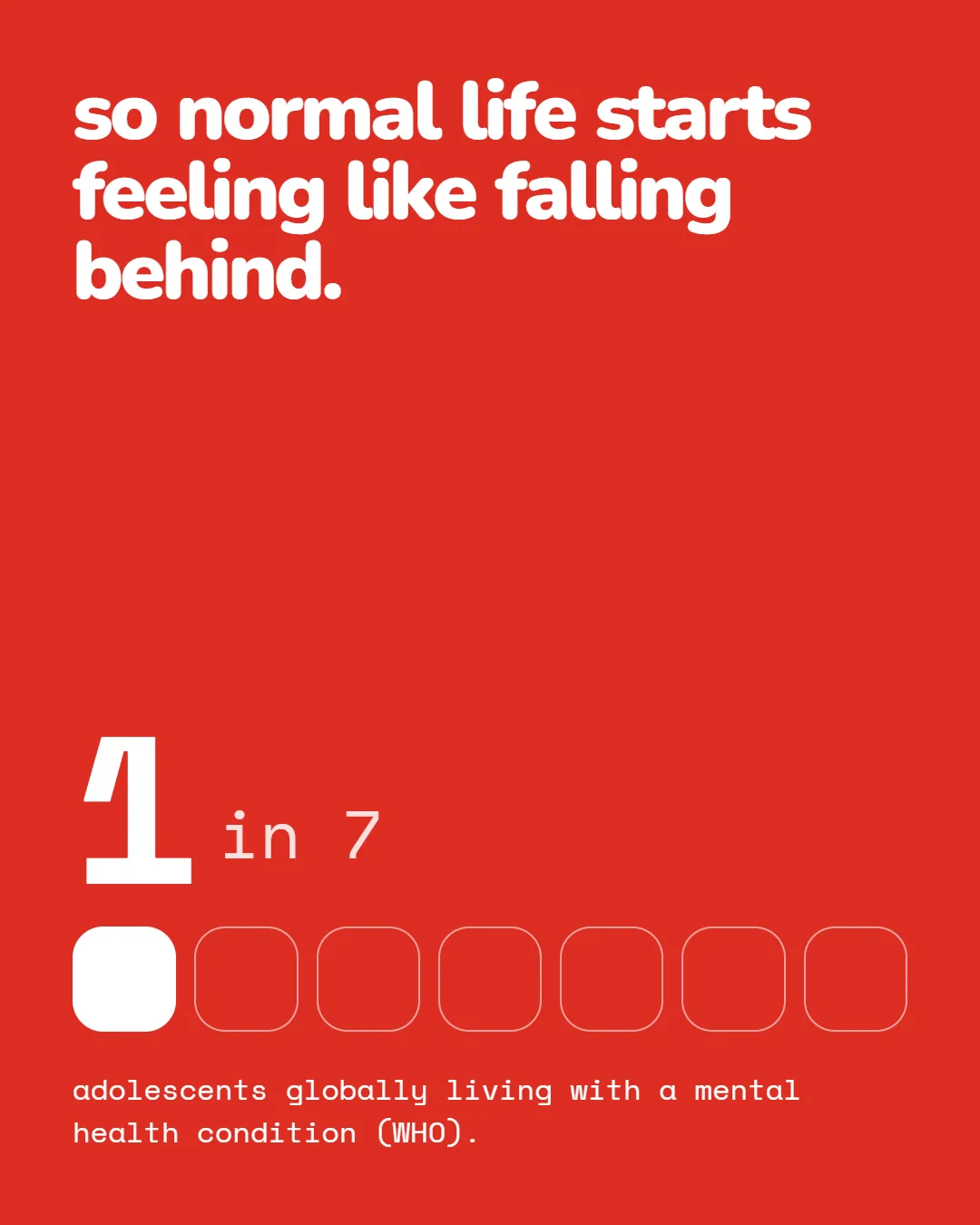
And this pressure exists alongside a genuine global adolescent mental-health challenge. The World Health Organization estimates that one in seven people aged 10–19 globally experiences a mental-health condition, with anxiety, depression and behavioural disorders among the leading causes of illness and disability in this age group.
That statistic cannot be used to claim that hustle culture causes mental-health problems. Young people's wellbeing is shaped by countless factors, including family circumstances, poverty, violence, relationships, academic pressure and social environments. But it does show why the pressure surrounding young people deserves to be taken seriously.
And some of the trends around digital life are concerning. A WHO study involving almost 280,000 adolescents across 44 countries and regions found that the proportion showing signs of problematic social-media use increased from 7% in 2018 to 11% in 2022. Another WHO report found that school pressure increased between 2018 and 2022, particularly among adolescent girls.
Again, these numbers don't prove that social media or hustle culture alone caused the decline in wellbeing. But they paint a picture of young people growing up in an environment where academic pressure, digital comparison and constant connectivity increasingly overlap.
The side-hustle trap
The irony is that hustle culture sells freedom. Build something now, we're told, so you can have freedom later. But for some young people, the side hustle becomes another responsibility.
School is already demanding. Add extracurriculars, entrance exams, university applications, family expectations, social media and a side project, and suddenly there is no real off-switch. And because everyone online seems to be doing more, slowing down feels dangerous.
You start measuring your life through achievements. What did I accomplish today? What did I learn? What did I build? Was I productive enough? Those questions aren't inherently bad. But if they become the only questions we ask ourselves, something important gets lost.
Young people are allowed to be unfinished
A teenager doesn't need to have their entire career mapped out. They don't need a startup at 16. They don't need to monetise every talent. They don't need to transform every hobby into a résumé bullet point.
Growing up is supposed to involve trying things, abandoning things, changing your mind and discovering what actually matters to you. Sometimes the most valuable experience isn't an achievement you can put on a résumé. It's playing football with your friends. Reading a book because you like it. Making something that nobody else sees. Spending an afternoon doing absolutely nothing productive.
Those things aren't wasted time. They're part of being a person.
Ambition without the burnout
The answer isn't to reject ambition. Young people should be encouraged to build, experiment, learn skills and pursue ambitious goals. But ambition should be sustainable.
There is a difference between working hard because you care about something and working constantly because you're afraid of falling behind. The first can help you grow. The second can consume you.
Maybe the next generation doesn't need another productivity hack. Maybe it needs permission to stop treating life like a competition. Because your teenage years shouldn't be an endless race to become the most impressive version of yourself.
You are allowed to learn slowly. You're allowed to change your mind. You're allowed to rest. And you're allowed to have a life that doesn't look impressive on LinkedIn.
You are a person before you are a résumé.

eunoiaandbeyond
Original post