
.png)
Can justice ever truly be blind?
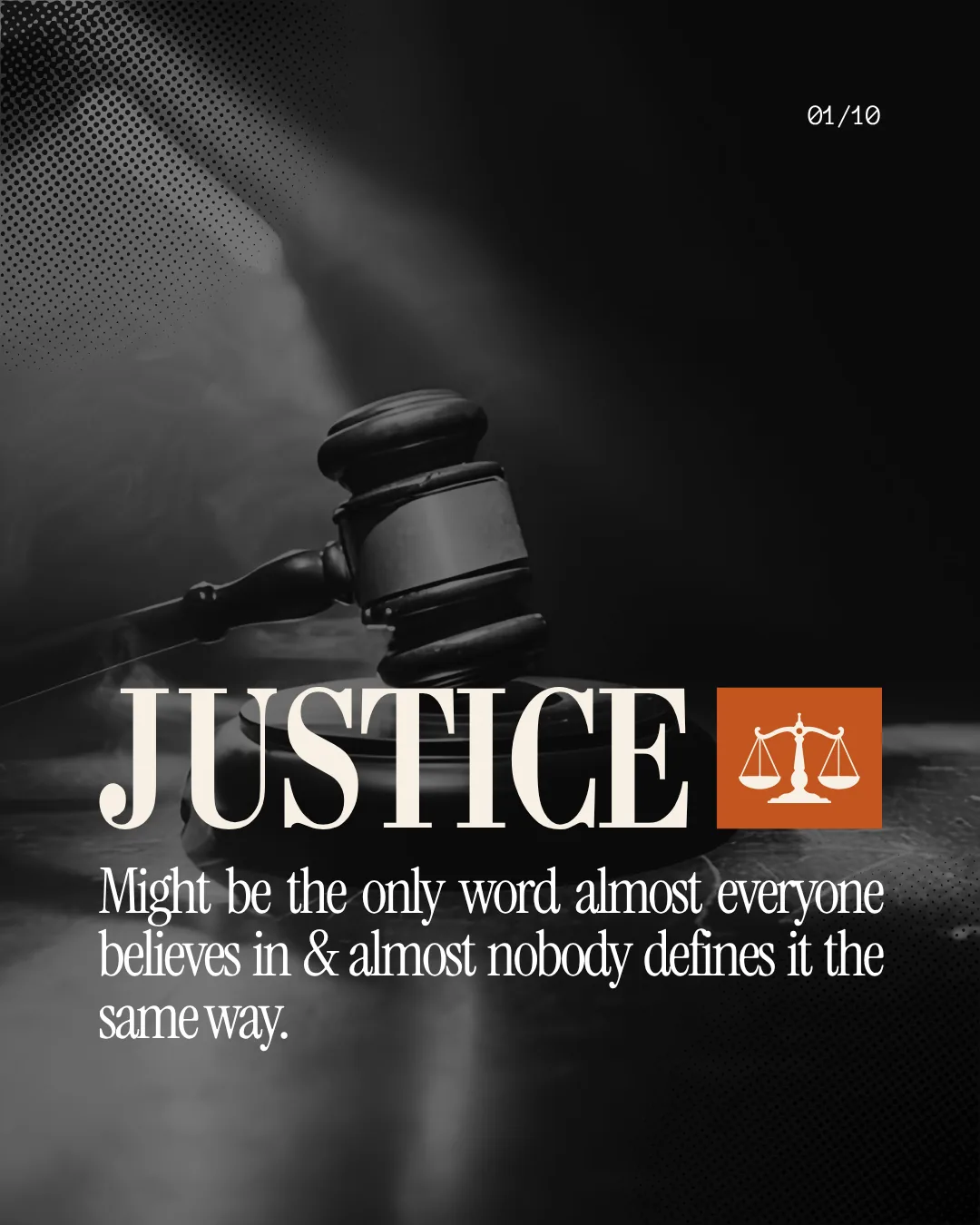
Justice is one of the few words everyone believes in but almost no one defines the same way.
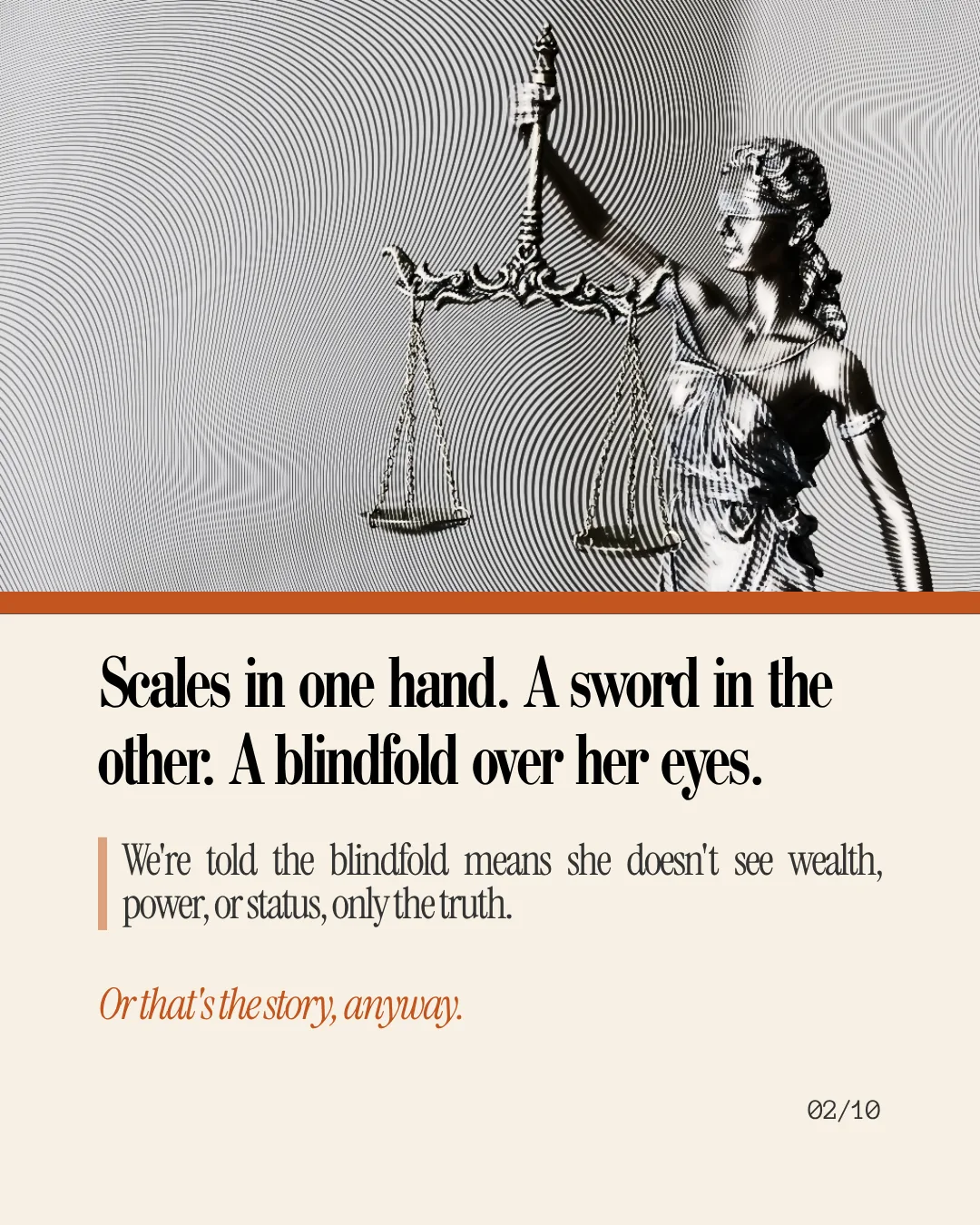
The image of Lady Justice is familiar to us all: scales in one hand, a sword in the other, and a blindfold covering her eyes. We are told that the blindfold symbolises impartiality. Justice, it says, does not see wealth, power, race, religion or status. It sees only the truth.
But can justice ever truly be blind?
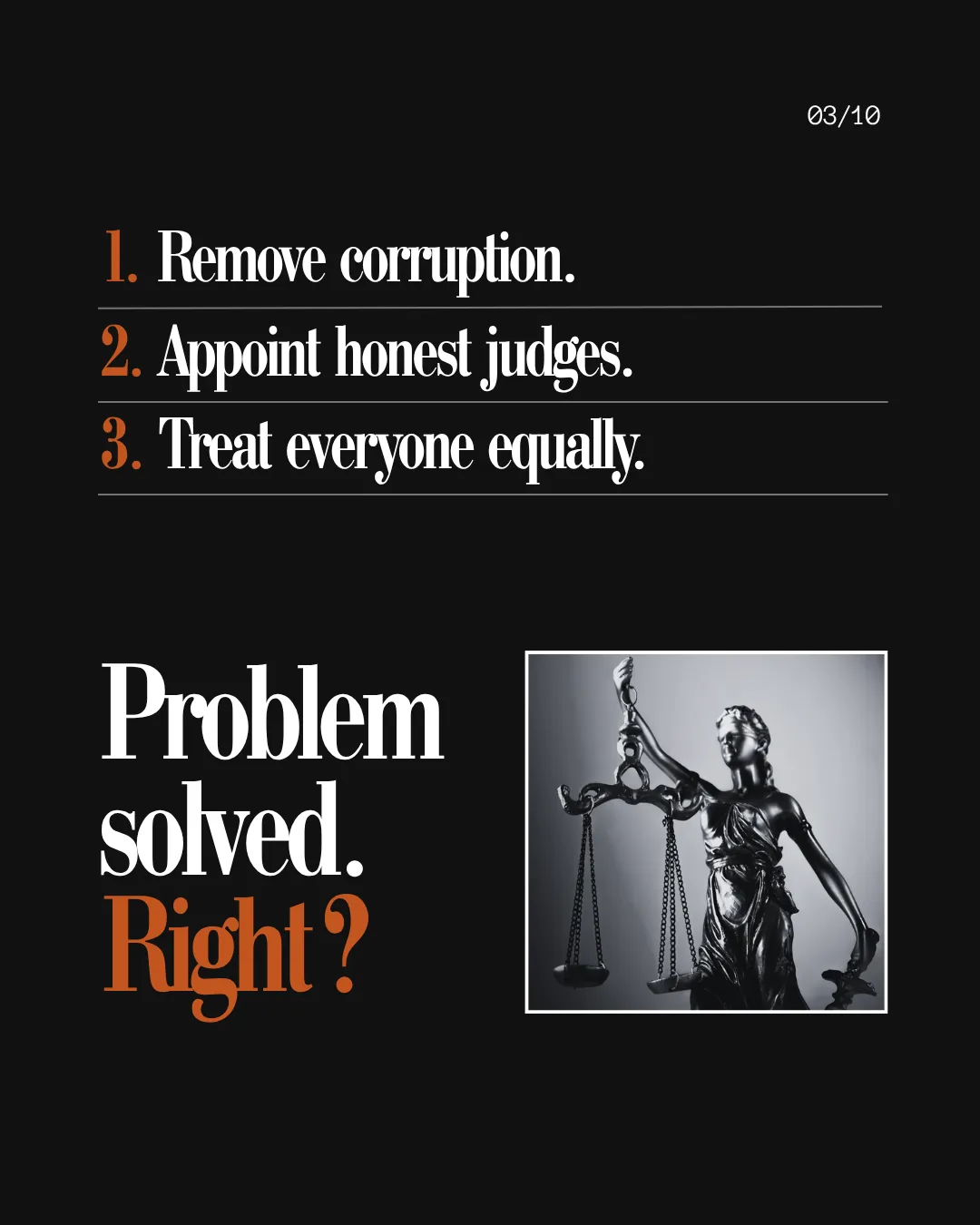
At first, the answer seems obvious. Remove corruption, prevent bribery, appoint honest judges, and ensure that everyone is equal before the law. Problem solved.
Or is it?
The question we rarely ask
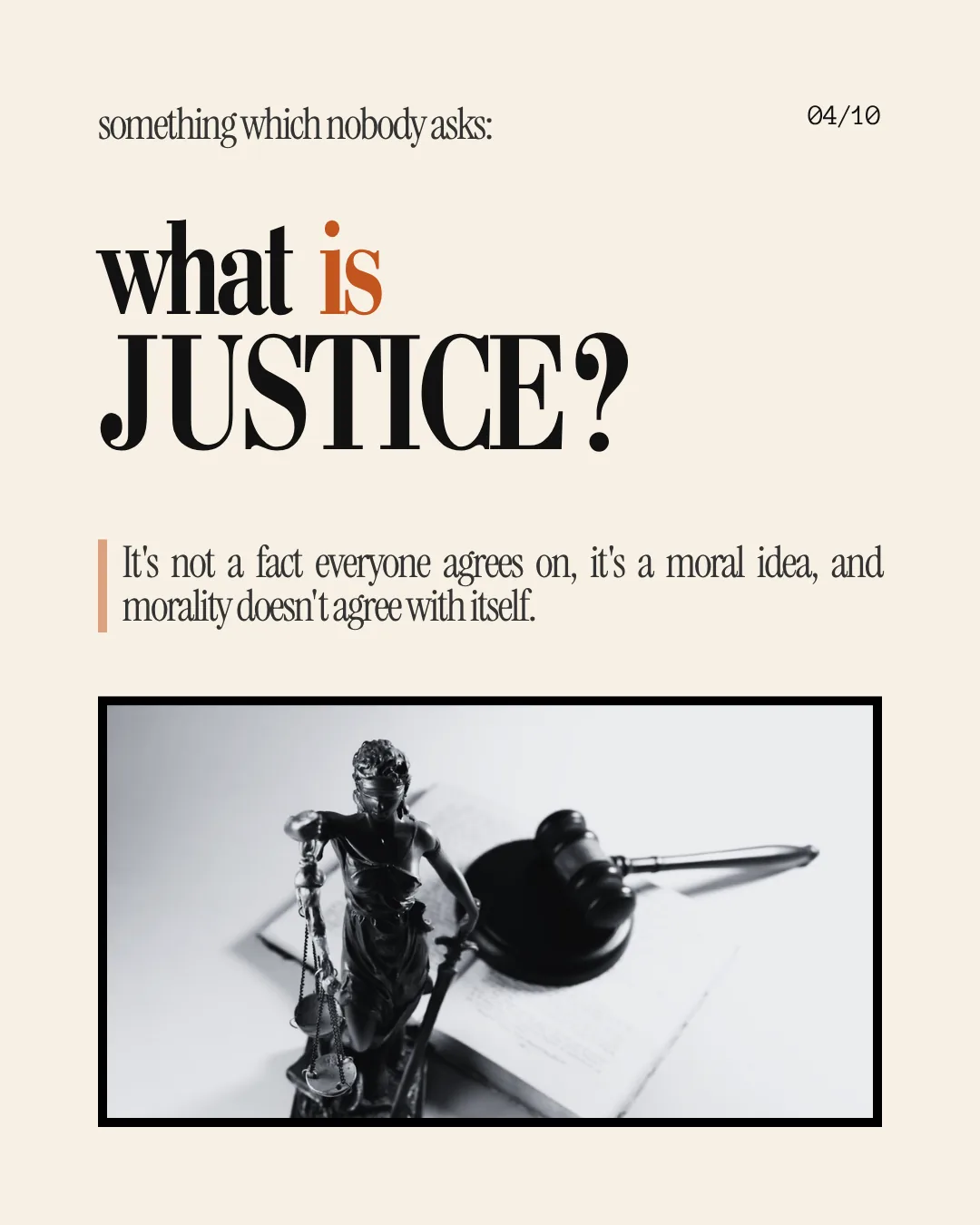
The real challenge begins with a question we almost never stop to ask: what is justice?
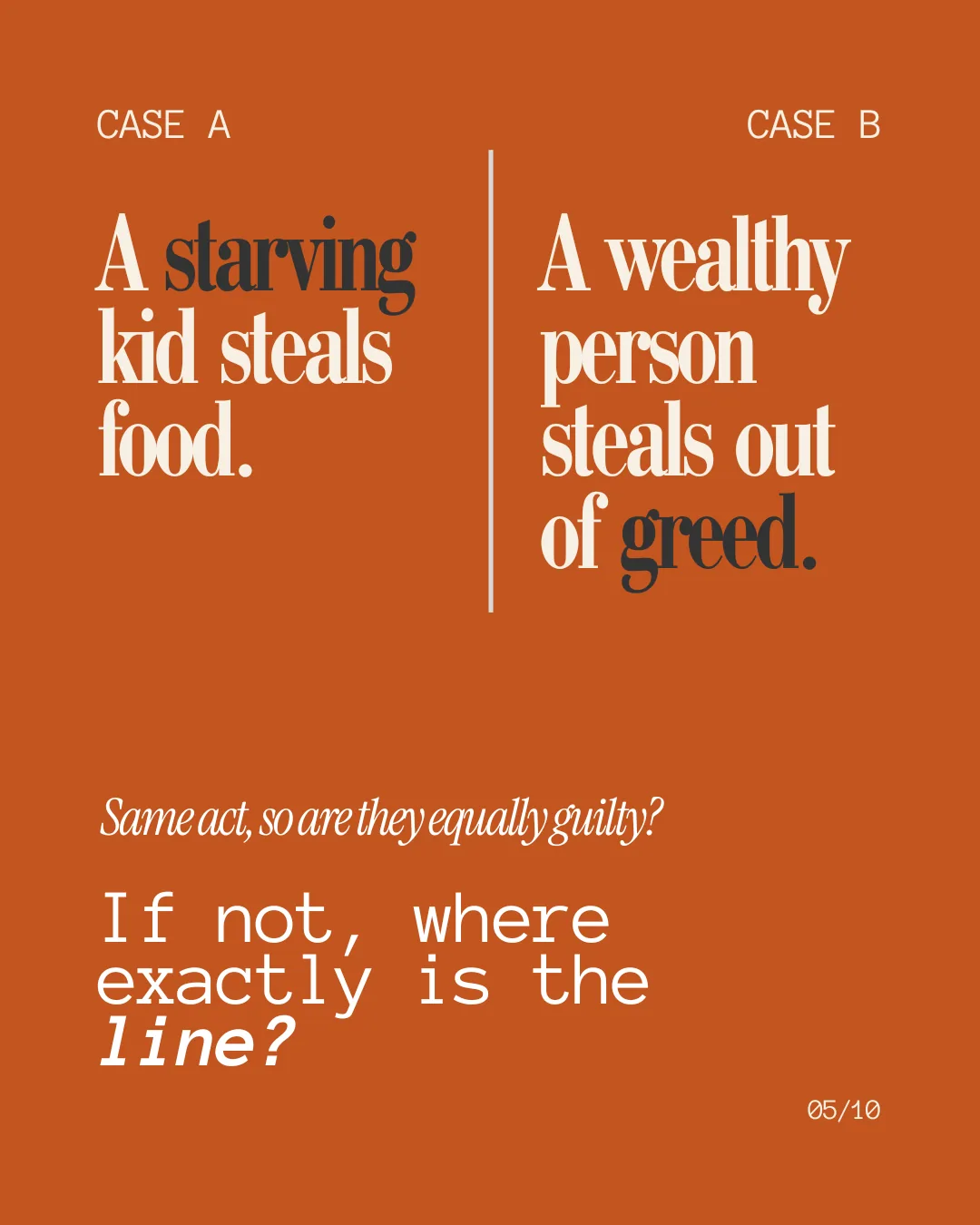
Justice is not a scientific fact that everyone agrees upon. It is a moral idea, and morality differs from person to person. For some, justice means equal punishment. For others, it means understanding circumstances. Is a starving child who steals food as guilty as a wealthy person who steals for greed? Should both receive the same punishment? If not, where do we draw the line?
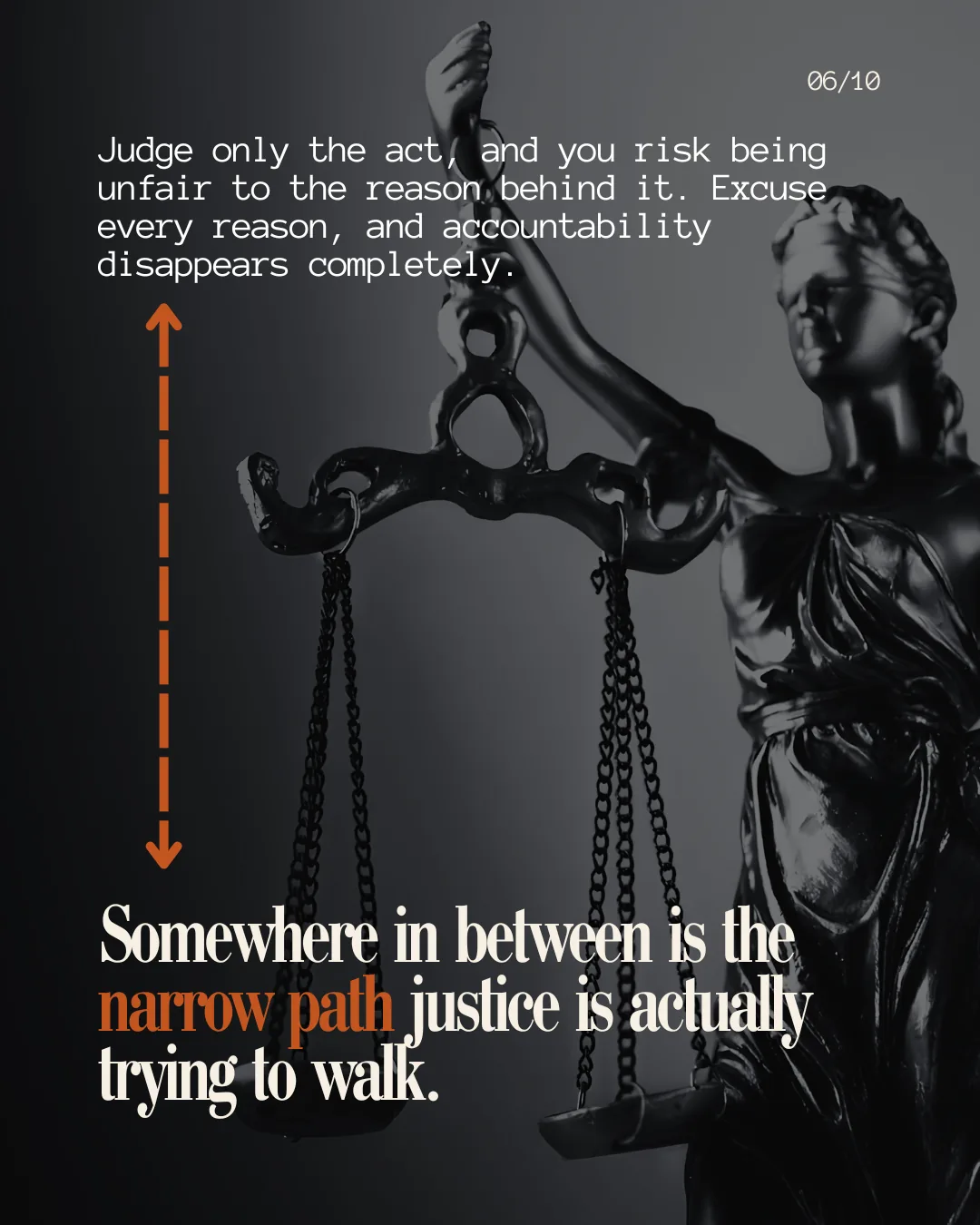
Every crime has two sides: the act itself and the reason behind it. If we judge only the act, we risk becoming unfair by ignoring the circumstances that led to it. But if we excuse every crime because every criminal has a reason, accountability disappears.
Somewhere between punishment and forgiveness lies the difficult path that justice tries to walk.
The law is written by people
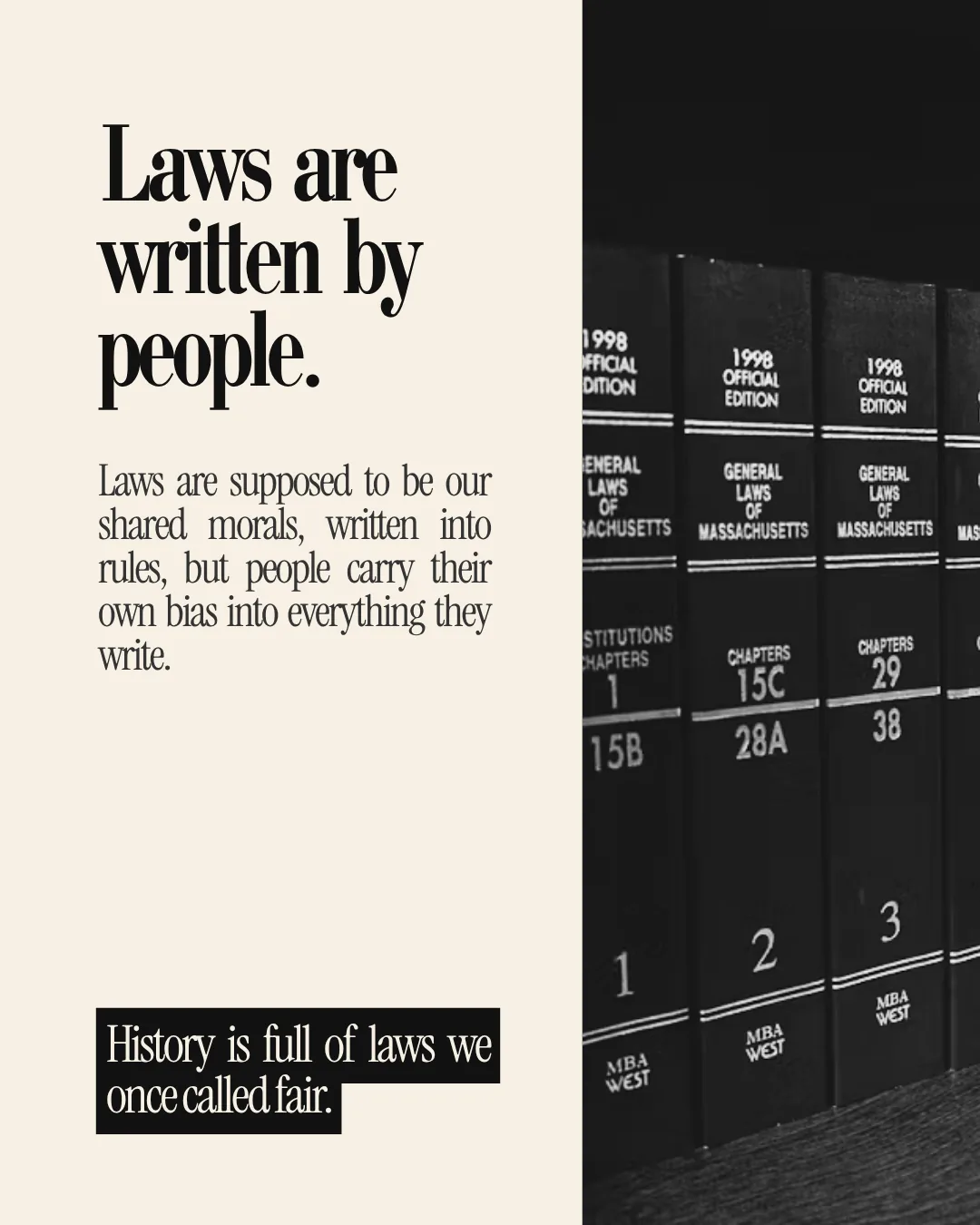
The law attempts to guide that path. It is built on the moral values that society broadly accepts and turns them into rules that everyone must follow. Yet laws, too, are written by people. Human beings are shaped by their experiences, beliefs and biases. Throughout history, laws once considered acceptable have later been condemned as deeply unjust. Clearly, legality does not always guarantee justice.
This does not mean our legal system is meaningless. Courts, evidence, appeals and panels of judges exist to reduce personal prejudice and make decisions more balanced. They help justice move closer to fairness, even if they cannot make it perfect.
Perhaps that is what the blindfold truly represents.
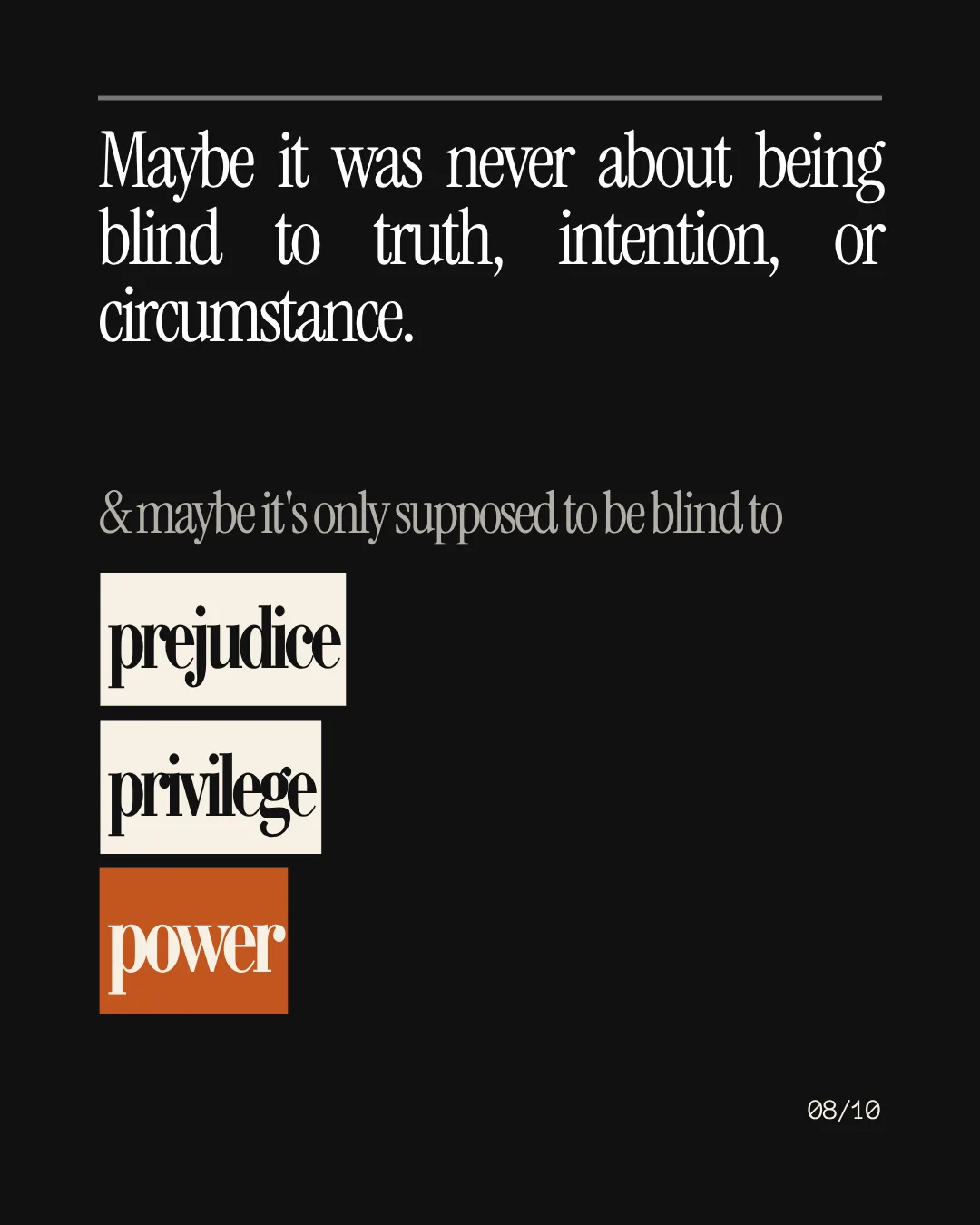
Justice should not be blind to truth, intention or circumstance. It should be blind only to prejudice, privilege and power.
Conclusion
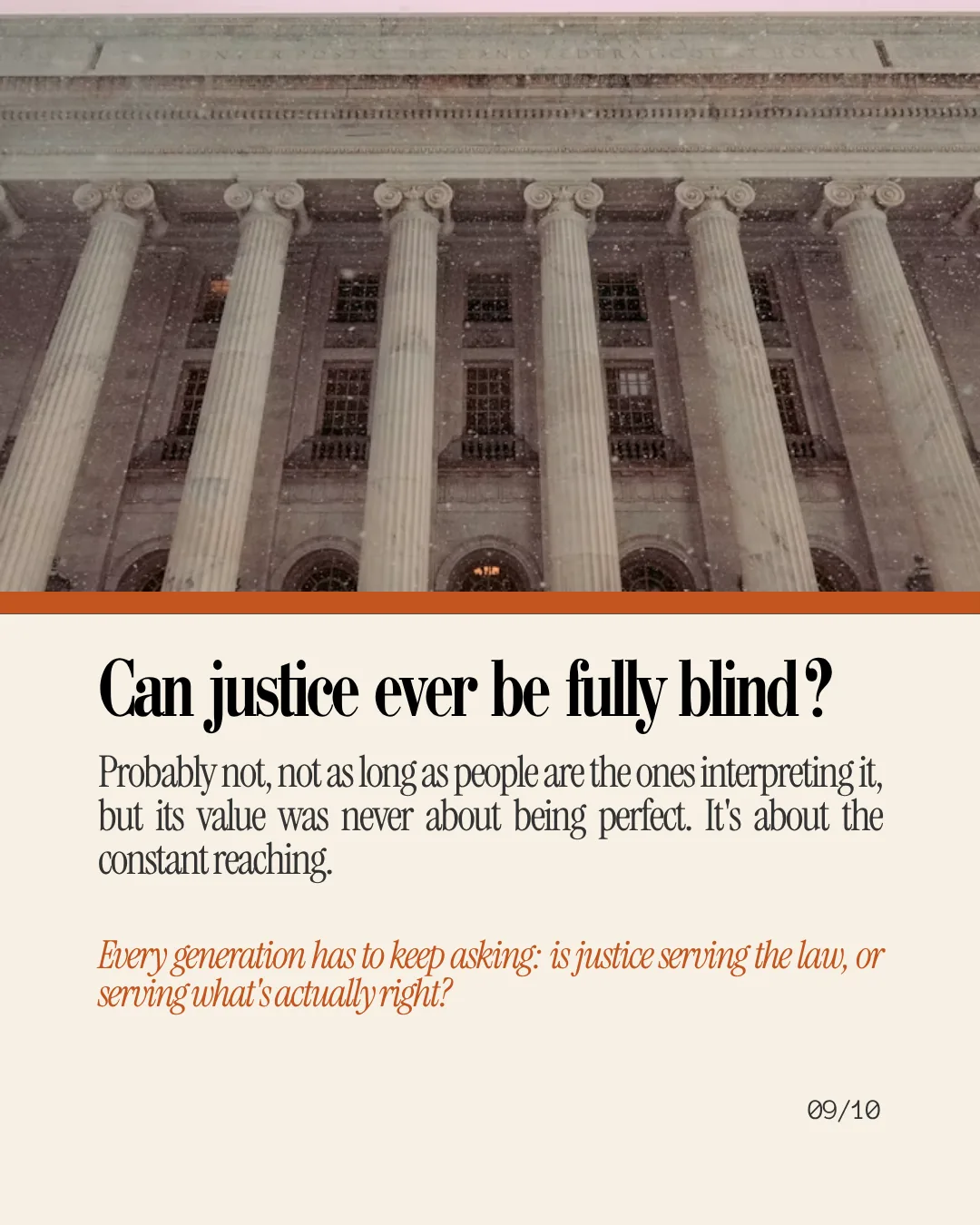
So, can justice ever truly be blind? Perhaps not in the absolute sense. As long as justice is created and interpreted by human beings, complete objectivity may remain beyond our reach. But the value of justice does not lie in claiming perfection. It lies in constantly striving to rise above our imperfections.
Maybe the blindfold is not a symbol of flawless justice after all. Maybe it is a reminder that every generation must keep asking whether justice is serving the law, or whether it is serving what is truly right.

eunoiaandbeyond
Original post
Also on Instagram
We ran this one as a carousel too.
The caption
Justice is supposed to be blind. But blind to what, exactly?
Slide thru and tell us where you land.
Read further on our website or on our Substack page!!