.png)
The comparison trap: how Instagram reshaped how youth see success
A placement, an internship, a small win — none of it feels like much until the right people applaud it. That's the trap, and the feed built it.

Instagram has become influential enough that it is now quietly rewriting what success means to young people — and then trapping them in a loop of comparison that wears down their self-worth, their mental health and their ambitions. The platform genuinely offers room for self-expression and connection. But its curated feeds and algorithm-driven visibility have also redefined what “doing well” is supposed to look like.
But when do we need someone's approval for our own success?
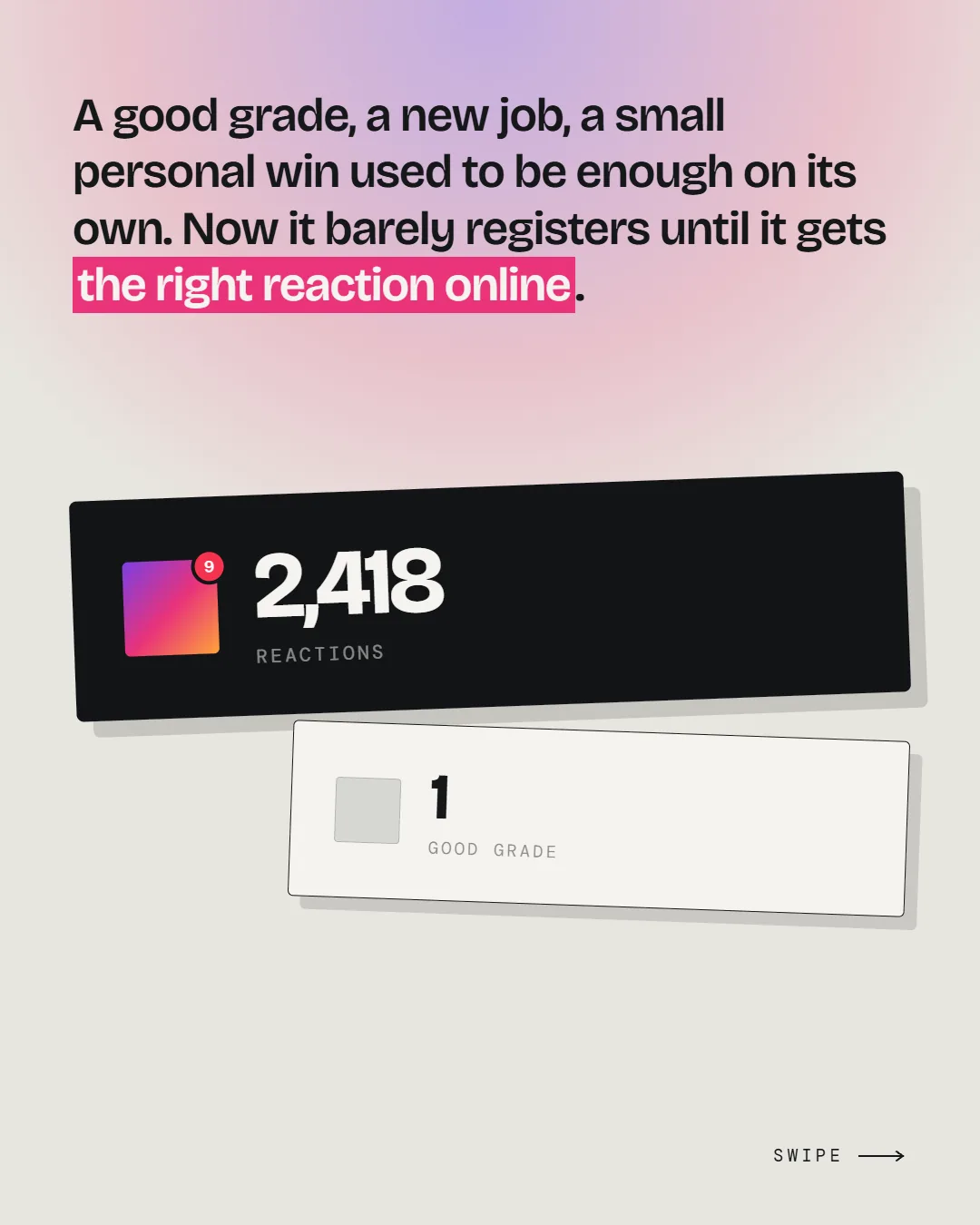
A good placement, an internship, an achievement — none of it seems like a big thing until it receives the right appreciation. It feels like everyone is doing better and we are the ones left with nothing. But nobody knows the reality behind those perfectly curated captions and edited pictures.
The rise of Instagram and the comparison trap
Instagram has over a billion active users, and for young people worldwide it has become part of the daily routine. It started as entertainment. Gradually it turned into something that quietly does damage.
Its visual-first design encourages users to showcase their achievements, their not-quite-real lifestyles and their aesthetics. Over time that appreciation curdles into comparison, where individuals measure themselves against peers and influencers who only ever look more successful. Studies show this kind of comparison often leads to anxiety, low self-esteem and dissatisfaction with one's own life.
When the number of likes starts defining success
Traditionally, success was measured through education, career milestones or personal growth. Today those things can feel like nothing when held up against what is on the feed. The game is visibility, reach and the number of likes.
Followers and likes — a personal milestone stops feeling like an achievement on its own. We start measuring it in popularity, social status and other people's approval.
Lifestyle branding — we compare our success against other people's lifestyles. Aesthetic cafés, expensive gifts, and above all those perfectly edited photos.
Algorithmic influence — our own mood becomes dependent on what Instagram decides to show us. The more we watch, the further into the loop we go.
The psychological impact
Everything takes time to show. The comparison trap has real consequences, and they do not arrive immediately.
Mental health strain — young people are reporting depression and anxiety at levels no generation before them did.
Contingent self-worth — many people tie their self-esteem to online validation, which leaves them exposed the moment engagement drops. When confidence depends on approval from a feed, it drains out on its own schedule.
Identity confusion — real life and reel life stop being easy to tell apart. We start deciding what to post based on what will be validated, and forget we were supposed to be making something that made us happy.
The other side: empowerment and connection
It would be unfair to put all of this on Instagram. The platform also offers real opportunities. Too much of anything can harm you; most of it comes down to how it is used.
Self-expression — plenty of people use it to explore creativity, activism and their own work.
Community building — it connects people across borders, which makes collaboration and awareness campaigns possible in a way nothing else does.
Opportunities — for some, Instagram itself has become the gateway into content creation, entrepreneurship and digital marketing.
Navigating the trap by redefining success
Escaping something does not always mean forgetting it. Sometimes it means moving forward with new experiences and leaving the worse ones behind. The answer isn't to delete Instagram forever. It is to learn to use it in a healthier, more deliberate way.
Media literacy — be able to identify and verify what you are actually consuming.
Mindful usage — setting boundaries on screen time is the simplest practice there is, and the one most worth keeping.
Authenticity over aesthetics — share genuine work instead of chasing permanent perfection. It is okay not to be perfect every time.
Conclusion
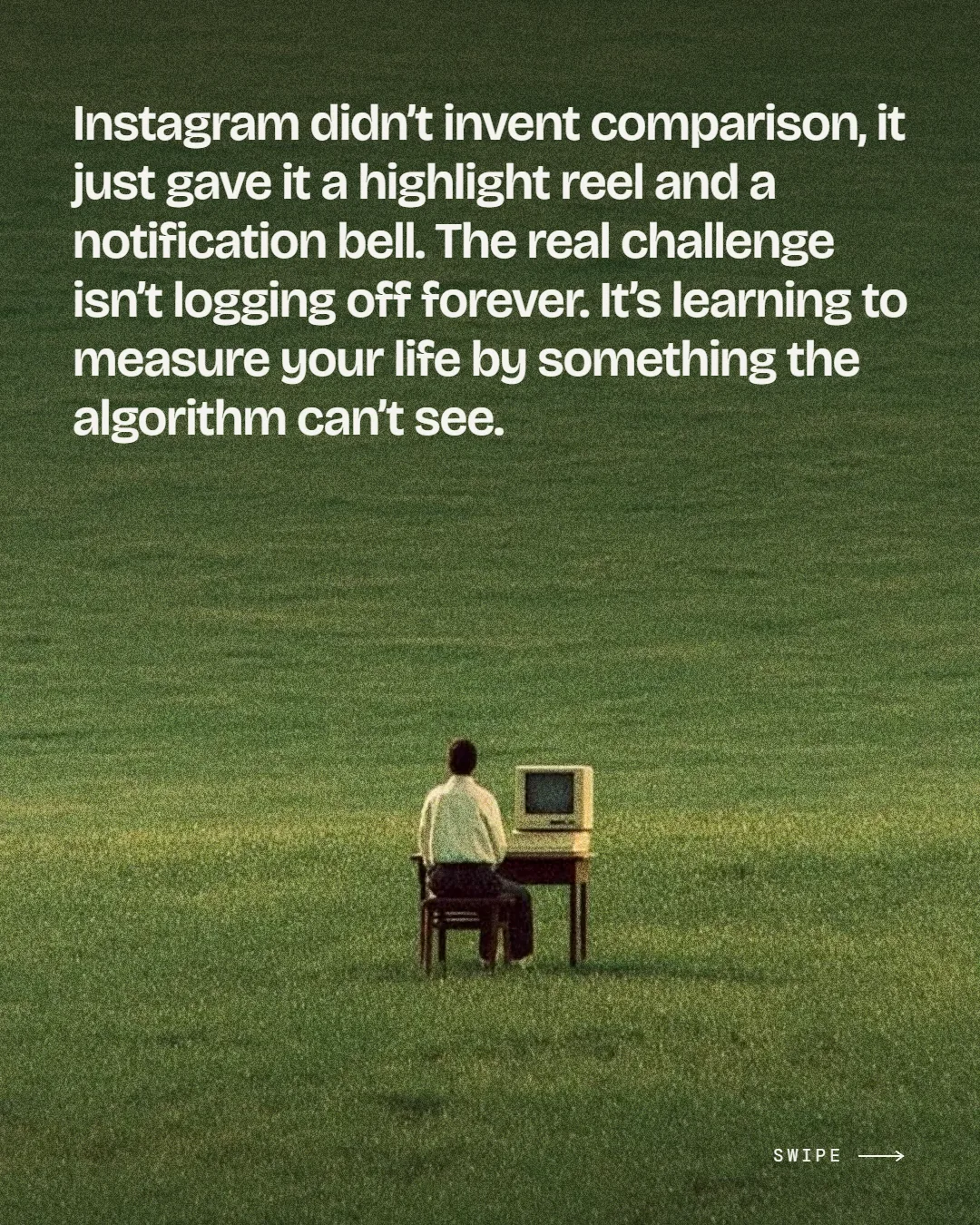
Instagram has undeniably reshaped how young people perceive success, shifting the focus from traditional achievement to digital visibility. That shift has opened real opportunities, and it has also trapped a lot of people in cycles of comparison that erode their sense of self-worth.
The challenge ahead is holding both: keeping what the platform genuinely gives us, while protecting our mental health and building definitions of success that belong to us.

eunoiaandbeyond
Original post